
Can Nutrition Help Low Libido and Sexual Wellbeing?
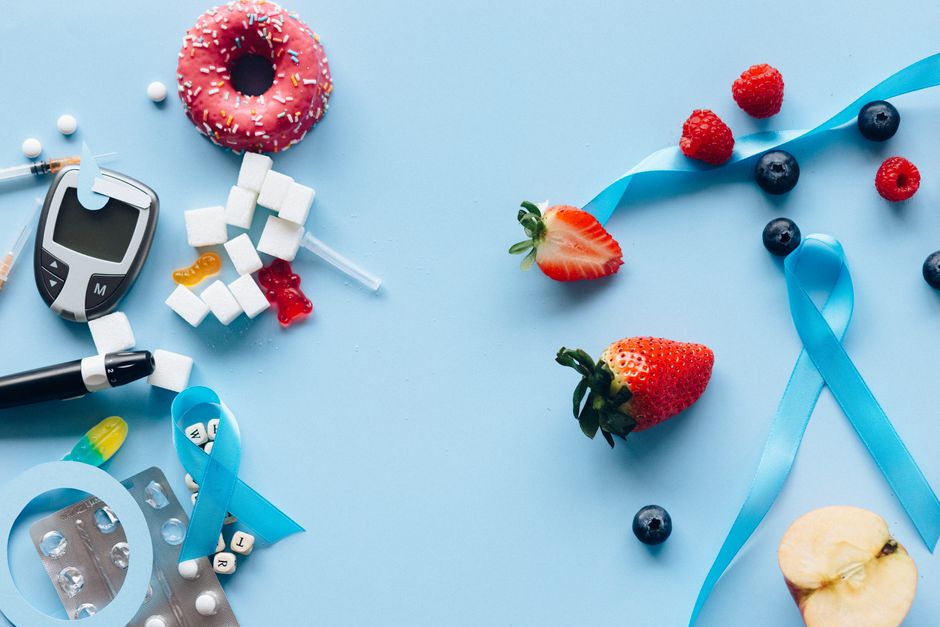
Nutrition can support sexual wellbeing by protecting energy, iron status, and cardiovascular health, but it is not a stand-in for medical care. Low desire can stem from life-stage hormone changes, sleep, stress, pain, medicines, alcohol, relationship factors, or illness. The useful first step is to look for the cause, not to buy an aphrodisiac.
Low libido is not a single problem. It is a signal with many possible sources.
The American College of Obstetricians and Gynecologists names pregnancy, breastfeeding, perimenopause, menopause, inadequate sleep or exercise, depression, anxiety, stress, illness, medicines, alcohol and relationship factors among the influences on sexual health. Food belongs in that wider frame.
Are there vitamins that can help a woman's libido?
No vitamin is established as a general libido supplement for women. A nutrient deficiency is different: correcting a documented deficiency can address one part of the picture, while taking a supplement without knowing the cause can obscure it.
The strongest distinction is between treatment and marketing. A randomized trial indexed by the Journal of Sexual Medicine studied women with both sexual dysfunction and low vitamin D status. Vitamin D therapy improved sexual function in that defined group. The trial does not turn vitamin D into a universal answer for low desire.
Iron follows the same rule. A 2023 Sexual Medicine Reviews review links iron-deficiency anemia and sexual dysfunction and calls for investigation when either condition is found. Iron-deficiency anemia can involve weakness, fatigue, and trouble concentrating, according to the NIH Office of Dietary Supplements. Energy is not desire, yet depleted energy can narrow the room available for intimacy.
Supplements also have edges. The NIH notes that iron can interact with levodopa and levothyroxine, and that regular medicines can change the conversation about iron status. Its vitamin D guidance also identifies interactions with orlistat, statins, corticosteroids, and thiazide diuretics. A bottle label cannot assess those trade-offs.
Can low iron or vitamin D affect sex drive?
Yes, low iron or vitamin D can be relevant when deficiency is present, though neither result explains every case of low libido. Testing and clinical context separate a possible contributor from a sales pitch.
Iron deficiency can arise from abnormal uterine bleeding, higher iron needs, reduced intake, or reduced absorption, according to the 2023 Sexual Medicine Reviews article. That range matters. A person with fatigue and low iron needs an explanation for the low iron, not only a product to raise it.
The vitamin D trial is narrow by design. It examines women who had sexual dysfunction and serum vitamin D below the study's defined cutoff. Its finding supports treating deficiency under care. It does not show that people with normal vitamin D status gain libido from extra supplementation.
| Question | What the evidence supports | What it does not support |
|---|---|---|
| Iron status | Evaluation of iron deficiency alongside sexual symptoms | Assuming tiredness or low desire proves iron deficiency |
| Vitamin D status | Treatment of documented deficiency in an appropriate clinical setting | Using vitamin D as a general aphrodisiac |
| Herbal products | Reviewing safety and medicine interactions before use | Assuming “natural” means safe or effective |
The distinction saves money and reduces risk. Deficiency is a health finding. A libido promise is a marketing claim.
What foods can support sexual health and energy?
Foods that support steady energy and cardiovascular health are the soundest nutrition base for sexual wellbeing. They do not promise desire on command. They support the body systems involved in stamina, circulation, and general health.
A 2020 Sexual Medicine Reviews review reports that metabolic syndrome negatively affects sexual function in women and describes impaired blood-vessel function as a plausible link to reduced genital blood flow. The review finds promising, not final, evidence for a Mediterranean-style dietary pattern. That means the pattern is a sensible health framework, not a prescription for libido.
In practical terms, a food pattern built around vegetables, fruit, beans, whole grains, nuts, fish, and other minimally processed foods fits that evidence better than a hunt for a single “sexy” ingredient. Foods with iron matter when dietary intake is part of a confirmed low-iron picture. The NIH also notes that proton-pump inhibitors can reduce absorption of nonheme iron, another reason food and supplement questions belong beside medication review.
Alcohol deserves equal weight. ACOG lists alcohol and drug use among factors that can affect arousal. During menopause, ACOG also identifies alcohol and caffeine as possible hot-flash triggers. For someone whose sleep or symptoms worsen after drinking, the relevant question is not which supplement to add. It is what changes when alcohol is reduced or removed.
Perimenopause and postpartum life add their own pressures. ACOG links hormonal shifts in pregnancy, breastfeeding, perimenopause, and menopause with sexual changes. Menopause-related dryness can make sex painful and reduce sexual initiation. Food can support overall health; it does not replace lubricants, moisturizers, or medical options for persistent pain and dryness.
Frequently Asked Questions
Does diet help low libido during perimenopause?
Diet can support overall health and may help identify factors such as inadequate energy intake or iron deficiency, yet it does not replace care for perimenopause symptoms. ACOG links menopausal hormone fluctuations with vaginal dryness and painful sex, and notes that few plant and herbal supplements have been studied for safety or effectiveness. Moisturizers, lubricants, and discussion of persistent symptoms with an ob-gyn are evidence-based parts of the conversation.
Are libido supplements safe if I take medications?
Safety cannot be assumed. The NIH Office of Dietary Supplements describes interactions involving iron or vitamin D supplements and several medicines, while the FDA warns that sexual-enhancement products can contain dangerous hidden ingredients. A clinician or pharmacist can review a product against a person's medicines and health conditions before it is used.
When is low libido a reason to speak with a doctor?
A clinical conversation is warranted when low desire causes distress, lasts, comes with pain or dryness, or begins after a medicine or health change. ACOG describes a desire disorder as symptoms that persist for six months and cause anxiety or sadness. Evaluation also matters when fatigue, weakness, abnormal uterine bleeding, or suspected nutrient deficiency is part of the picture.
Low libido is not a test of character. It is a health question with physical, emotional, relational, and medical parts. Food can be one useful part of the answer. It is not the whole answer.
Sources
- American College of Obstetricians and Gynecologists: Your Sexual Health
- NIH Office of Dietary Supplements: Iron Fact Sheet for Health Professionals
- NIH Office of Dietary Supplements: Vitamin D Fact Sheet for Health Professionals
- Journal of Sexual Medicine: Vitamin D Therapy and Sexual Function
- Sexual Medicine Reviews: Iron Deficiency Anemia and Female Sexual Dysfunction
- Sexual Medicine Reviews: Metabolic Syndrome, Diet, and Female Sexual Function
- American College of Obstetricians and Gynecologists: Common Questions About Menopause
- U.S. Food and Drug Administration: Sexual Enhancement and Energy Product Notifications
Disclaimer: This article is for general information only and is not medical advice. It is not a substitute for diagnosis or treatment by a qualified healthcare professional. Always speak to your doctor before acting on anything you read here.