
When Should I Service My Swiss Mechanical Watch, and Use the Brand or an Independent?
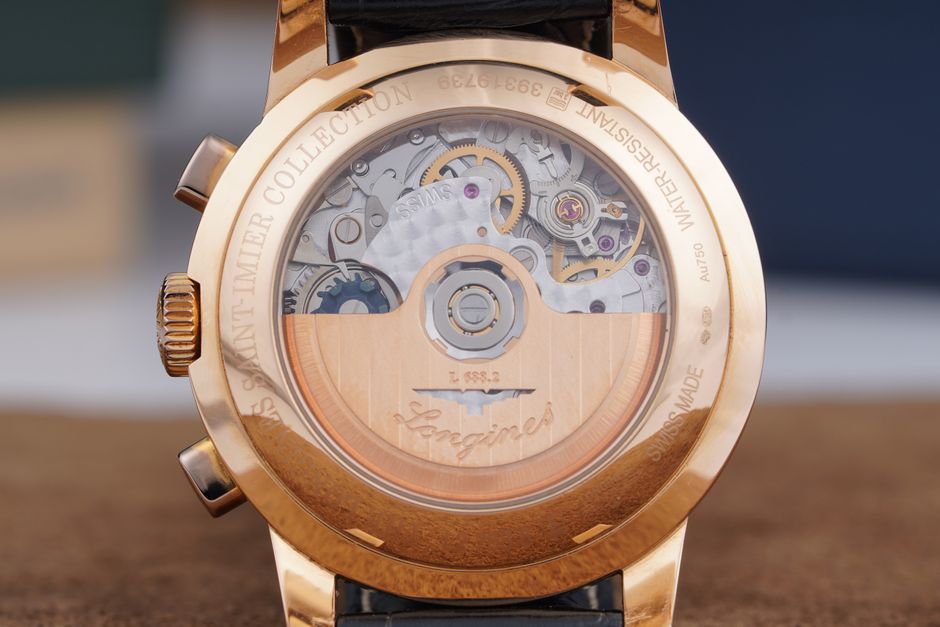
Service a Swiss mechanical watch on the brand’s schedule or sooner if its condition calls for it: Rolex recommends about every 10 years, while OMEGA recommends every 5 to 8 years. Use the brand when its warranty, original-parts access, or vintage-service policy matters most; choose a properly credentialed independent when you have confirmed their manufacturer relationship, scope, parts plan, and written estimate.
How often does a Swiss mechanical watch actually need servicing?
A Swiss mechanical watch needs service on a brand-specific, use-specific interval, not on a universal calendar rule. Rolex recommends professional service approximately every 10 years, depending on the model and real-life usage. OMEGA recommends complete service every 5 to 8 years and likewise ties that interval to use and environment.
That range is your planning window, not a reason to authorize work blindly. A watch worn in conditions that affect its seals or movement deserves a condition check; a watch that is running accurately still may be due for the cleaning, lubrication, gasket replacement, and testing included in a complete service. Cartier recommends a functional check every six years, including chronometric precision, water resistance, and magnetization testing for mechanical watches.
Use a simple decision rule: start with your brand’s interval, then let the estimate describe the actual job. This avoids two expensive mistakes: servicing merely because a date arrived, or delaying because the hands still appear to keep good time.
| Decision point | What the published guidance says | What to ask before approval |
|---|---|---|
| Rolex interval | Approximately every 10 years, depending on model and real-life usage. | “Is this a complete overhaul, and what did the inspection find?” |
| OMEGA interval | Every 5 to 8 years, depending on use and environment. | “Which work is included, and which parts require separate approval?” |
| Cartier functional check | Recommended every six years. | “Will you test rate, water resistance, and magnetization?” |
What does a full mechanical-watch service include?
A full mechanical-watch service is a movement rebuild and test sequence, not a quick exterior clean. Rolex describes complete movement disassembly, inspection, ultrasonic cleaning, reassembly, lubrication, and precision adjustment. It then runs a precision test lasting at least 24 hours and pressure-tests the completed watch in water.
OMEGA describes a similar core process: dismantling the case and movement, ultrasonic cleaning of every movement component, inspection, replacement of worn original parts, reassembly, lubrication, and rate adjustment. It also replaces the gaskets that support water resistance and finishes with functional and aesthetic quality control.
Keep the work categories separate. Routine service addresses the movement, lubrication, seals, adjustment, and testing. Repair addresses a fault or part outside the routine scope. Restoration is a different project, especially for vintage watches, because a missing or unavailable component may need special handling. Piaget says its vintage work begins with a personalized diagnosis and detailed estimate, and that it may restore, replace, or manufacture unavailable parts.
Cosmetic refinishing is also its own approval decision. Rolex says case and bracelet refinishing is performed on request. Cartier states that polishing removes a thin layer of material and cannot be carried out more than three times. For a vintage watch, the useful instruction is not “make it look new.” Use this instead: “Do not polish, refinish, replace visible parts, or alter the dial, hands, bezel, case, bracelet, or crystal without written approval.”
Quotes rise when the job expands beyond the base scope. OMEGA states that its calculated complete-service price includes labour, worn movement components, crown, pushers, non-sapphire crystal, escape valve, gaskets, and polishing, but additional components needed to restore function are charged after owner confirmation. Piaget’s published starting prices also show how complexity changes the baseline: USD 1,540 for mechanical watches, USD 1,980 for complications, and USD 3,600 for high complications, with exceptional pieces quoted individually.
Is an independent watchmaker safe for a Swiss luxury watch?
An independent watchmaker can be a sound choice when you verify credentials, manufacturer relationships, parts access, and the exact warranty consequences before work starts. The American Watchmakers-Clockmakers Institute says an independent with a relationship with a manufacturer will usually cost less than sending the watch directly to factory service. That is a cost advantage, not a blank check.
Start with proof, not a shop’s label. AWCI warns that the unprotected phrase “certified watchmaker” can be used by anyone. Its CW21 and CMW21 credentials are more useful checks because AWCI-certified watchmakers have passed its certification examination and must complete continuing education to maintain certification.
Use the brand service route when the brand warranty or its service guarantee is part of the value you are buying. Rolex says third-party work voids its five-year new-watch guarantee, and its completed service carries an international two-year service guarantee covering replacement parts and labour. OMEGA also provides a 24-month warranty on each intervention and says its service warranty is void if work is performed by people not authorized by OMEGA SA.
Use an independent only after running the four-question approval drill. Ask: “What credential and manufacturer relationship support this work?” Ask: “Which original or approved parts can you source?” Ask: “Which parts, cosmetic changes, and extra charges require my written approval?” Then ask: “What warranty do you provide on labour and replacement parts?” The point is to lower your own cognitive load before the watch leaves your hands.
For a modern in-house movement, factory access and the brand warranty can outweigh a lower initial quote. For a watch outside those warranty terms, a qualified independent with appropriate access may be the more economical route. The same estimate-first discipline helps with other big purchases; see Buy a Used GMC Savana With Fewer Costly Surprises for another example of evaluating cost before committing.
Final move: request the estimate in writing, mark cosmetic work as opt-in, and do not approve replacements until you know whether the watch is modern, under warranty, vintage, or dependent on hard-to-source parts. That one pause turns a vague service quote into a controlled decision.
Frequently Asked Questions
Why can a watch-service quote cost more than expected?
A base service price does not cover every possible fault. OMEGA says parts needed to restore function that fall outside its included service scope are charged separately after the owner confirms them. Complexity, manufacturer component costs, local business expenses, and unavailable parts can also change the estimate, according to AWCI and Piaget.
Should I service a watch that is still running accurately?
Accurate timekeeping is useful evidence, but it is not the whole inspection. Brand intervals still apply because complete service addresses cleaning, lubrication, wear, seals, and testing; OMEGA recommends complete service every 5 to 8 years and Rolex recommends about every 10 years, depending on model and real-life use. Ask for a condition-based estimate rather than assuming good timing settles every question.
Will factory servicing replace vintage parts or polish away patina?
It can replace components that no longer meet the brand’s requirements, so ask for an itemized estimate and replacement-parts policy before approving work. Rolex says refinishing is done on request, while Piaget says it aims to preserve as many original parts as possible but may replace or reproduce parts when necessary. Cartier also warns that polishing removes a thin layer of material and says it cannot be carried out more than three times.