
What Foods and Eating Patterns Help Manage Fatty Liver Disease?
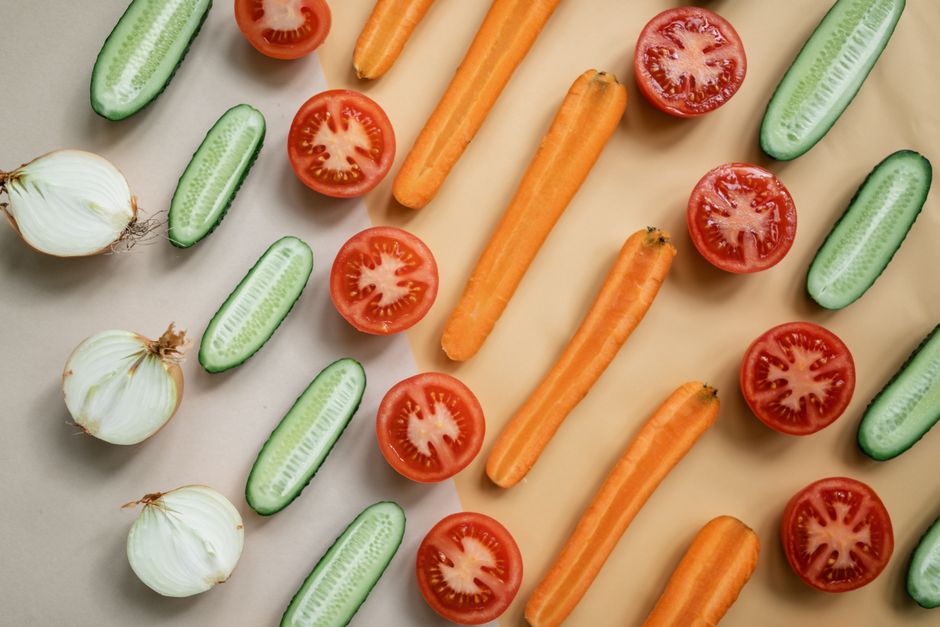
Fatty liver disease management centers on ordinary food, not a cleanse: build meals around vegetables, fruits, whole grains, fiber, and unsaturated fats; limit added sugars, refined carbohydrates, saturated fat, and alcohol. A Mediterranean-style pattern fits this evidence. For people with overweight or obesity, gradual weight loss and physical activity also matter, while rapid weight loss, detox teas, and unreviewed supplements can create new risks.
The liver does not need a tea to do its work. It needs fewer burdens and a steadier pattern.
What foods are good for a fatty liver?
Foods that bring fiber and unsaturated fat are the sound base for a fatty liver eating pattern. The National Institute of Diabetes and Digestive and Kidney Diseases advises replacing saturated and trans fats with unsaturated fats, including omega-3 fats, and eating more low-glycemic-index foods such as most fruits, vegetables, and whole grains.
This is not a hunt for a miracle food. It is a way of putting the plate together often enough that the pattern becomes plain.
| Build more often | Pull back on | Reason in the evidence |
|---|---|---|
| Vegetables, whole fruits, and whole grains | Foods and drinks high in simple sugars | NIDDK recommends more low-glycemic-index foods and advises avoiding high-sugar choices, especially those high in fructose. |
| Unsaturated fats, including omega-3 fats | Saturated and trans fats | NIDDK advises replacing saturated and trans fats with unsaturated fats. |
| Fiber-rich, minimally processed meals | Refined carbohydrate-heavy meals | AASLD guidance favors an eating pattern limited in carbohydrates and saturated fat and rich in fiber and unsaturated fats. |
The American Association for the Study of Liver Diseases describes a Mediterranean-style diet as a useful model because it limits carbohydrates and saturated fat while emphasizing fiber and unsaturated fats. The point is not to copy a menu from another shore. The point is to make the usual meal less sweet, less refined, and less heavy with saturated fat.
A practical frame is simple: let vegetables, fruit, or whole grains carry the fiber; choose an unsaturated fat in place of a saturated one; leave sugary drinks outside the routine. The framework travels well across budgets because it names food types, not branded products.
Can I reverse fatty liver disease with diet alone?
Diet can be a central part of fatty liver disease management, yet diet alone is not a promise of reversal for every person. The NIDDK states that, for people with overweight or obesity, losing at least 3% to 5% of body weight can reduce liver fat, while up to 7% to 10% may be needed to reduce liver inflammation and fibrosis; the agency also says rapid weight loss and malnutrition can worsen liver disease.
Those figures describe a treatment target in a group, not an individual forecast. Weight loss is change over time. A cleanse is a sharp turn.
NIDDK also states that physical activity benefits people with fatty liver disease even without weight loss. The AASLD calls weight loss the best-studied cornerstone of NAFLD treatment and reports that moderate activity improved liver enzymes and metabolic measures. Food and movement belong in the same picture.
Medical follow-up belongs there too. The 2024 clinical practice guideline from the European liver, diabetes, and obesity associations advises lifestyle modification, including weight loss, dietary change, physical exercise, and discouraging alcohol use for adults with MASLD. It also supports fibrosis assessment for people with cardiometabolic risk factors, abnormal liver enzymes, or imaging evidence of liver fat, especially those with type 2 diabetes or obesity plus another metabolic risk factor.
Food can change the path. It does not replace knowing where the path stands.
Should I avoid sugar, fruit, or carbohydrates if I have fatty liver?
Avoiding added simple sugars matters; avoiding fruit and every carbohydrate does not match the guidance. NIDDK specifically advises avoiding foods and drinks high in simple sugars, especially fructose, and names sweetened soft drinks, sports drinks, sweetened tea, and juice as examples. The same agency recommends most fruits, vegetables, and whole grains as low-glycemic-index foods.
That distinction clears up much of the detox talk. A whole fruit brings more than sweetness. Juice and sweetened drinks concentrate the part NIDDK says to limit, without serving as the same whole-food choice.
Carbohydrates also need sorting, not fear. AASLD guidance favors limiting carbohydrates within a pattern rich in fiber and unsaturated fats. It does not ask people to erase whole grains, vegetables, or fruit from the table. Refined carbohydrate choices and added sugars are the narrower problem named in the evidence.
Alcohol sits apart from the sugar question. NIDDK says people with NAFLD should minimize alcohol because it can further damage the liver, and the 2024 European guideline advises discouraging alcohol consumption in adults with MASLD.
Frequently Asked Questions
Is coffee good or bad for fatty liver?
Coffee has evidence in its favor within fatty liver research. The AASLD cites a meta-analysis that found a dose-dependent lower risk of NAFLD occurrence from coffee. Coffee is not a detox treatment, and the wider eating pattern and medical context still matter.
Are liver detox teas and supplements safe?
They should not be assumed safe. NIDDK says to speak with a clinician before using supplements or complementary treatments because some herbal remedies can damage the liver. The FDA also warns that many weight-loss teas and supplements contain dangerous hidden ingredients.
What should I eat for breakfast if I have fatty liver?
A useful breakfast follows the same pattern as the rest of the day: choose a whole grain, fruit, and a source of unsaturated fat or another minimally processed food. NIDDK recommends low-glycemic-index foods such as most fruits, vegetables, and whole grains, while advising against foods and drinks high in simple sugars. Sweetened drinks and juice do not fill the same role as whole fruit.
The useful question is not which product cleanses the liver. It is which daily pattern stops adding to its load.
Sources
- National Institute of Diabetes and Digestive and Kidney Diseases: Eating, Diet, & Nutrition for NAFLD & NASH
- National Institute of Diabetes and Digestive and Kidney Diseases: Treatment for NAFLD & NASH
- American Association for the Study of Liver Diseases: Why Are GLP-1 Agonists Being Used to Treat Patients?
- 2024 European clinical practice guideline on MASLD
- U.S. Food and Drug Administration: Weight Loss Product Notifications
Disclaimer: This article is for general information only and is not medical advice. It is not a substitute for diagnosis or treatment by a qualified healthcare professional. Always speak to your doctor before acting on anything you read here.